
Why New Roofs Are Essential for Older Houses
Aging homes often showcase unique charm and character. However, as they age, certain elements require attention to ensure safety and comfort. One crucial aspect is the condition of the roof. Over time, roofs can deteriorate, leading to leaks or structural damage. Understanding when it’s time to replace the roof is vital. This not only preserves the home’s integrity but also enhances its value. Let’s explore how to identify the need for a new roof in older homes.
Signs Your Home Needs a New Roof
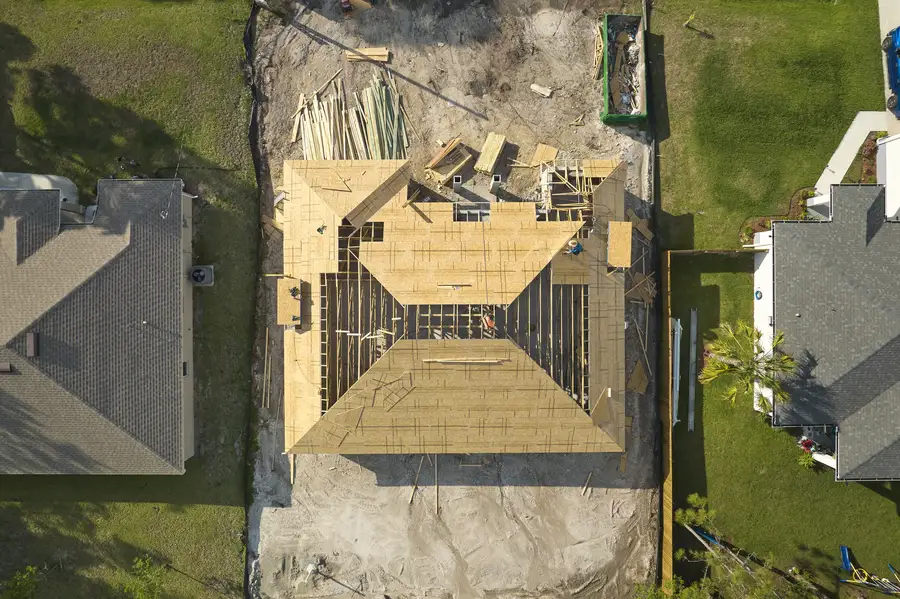
Determining whether your home needs a new roof installation involves checking for several signs. If shingles are missing, cracked, or curled, this indicates severe wear and tear. Look for dark streaks or moss growth which suggest moisture issues. Inside the house, water stains on ceilings or walls point to leaks that could compromise the structure. Regular inspections help catch these signs early, allowing timely intervention.
The Benefits of Replacing an Old Roof
Installing a new roof offers several benefits beyond improved aesthetics. It enhances energy efficiency by providing better insulation, reducing heating and cooling costs. A sturdy roof increases safety, protecting against harsh weather conditions like rainstorms and heavy winds. Additionally, it boosts property value, making the home more attractive to potential buyers. Finally, modern roofing materials often come with warranties that offer peace of mind.
Common Problems With Aging Roofs
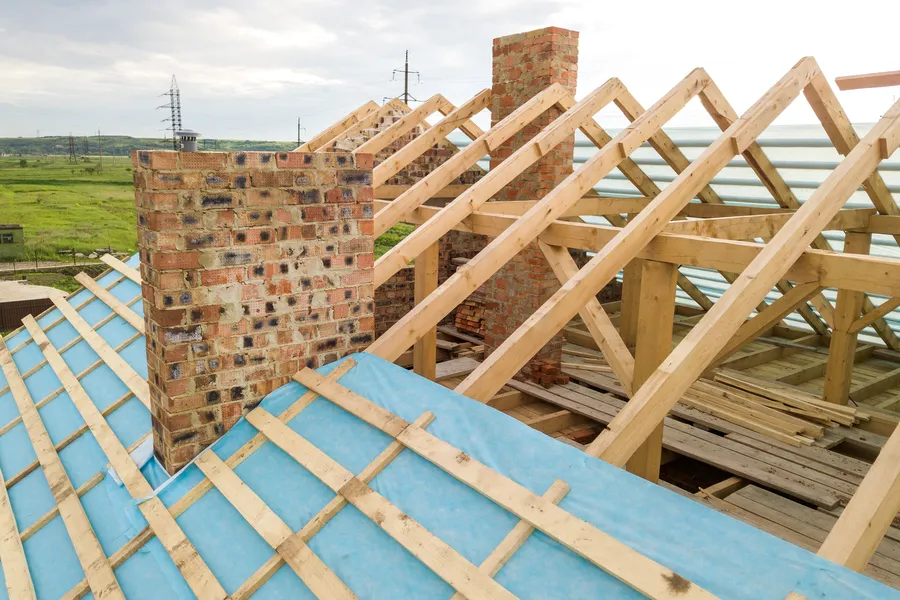
Aging roofs face numerous challenges that impact their functionality. The most common problem is leakage caused by damaged shingles or flashing. Over time, roofs may sag due to weakened underlying structures. Poor ventilation leads to heat buildup and accelerates material degradation. These issues can result in high repair costs if left unaddressed. Regular maintenance minimizes risks associated with older roofing systems.
- Leaky roofs from worn-out materials
- Sagging structures due to weakened supports
- Poor ventilation causing heat accumulation
How to Choose the Right Roofing Material
Selecting the ideal roofing material depends on various factors including climate, budget, and personal preference. Asphalt shingles remain popular for their affordability and durability. Metal roofs offer longevity and resist extreme weather conditions well. Slate provides natural beauty but requires professional installation due to its weight. Research each option carefully before deciding which best suits your home’s needs.
Steps for a Successful Roof Replacement
To ensure a smooth roof replacement process, follow these key steps:
- Conduct a thorough inspection to assess current roof condition
- Select suitable materials based on climatic requirements
- Hire experienced professionals specializing in roofing projects
- Remove old roofing safely while protecting surrounding areas
- Install new materials ensuring proper alignment and sealing
Cost Considerations for New Roof Installations
The cost of installing a new roof varies depending on several factors such as size, material choice, and labor fees. Generally, asphalt shingles are the least expensive option while slate or metal tend to be pricier choices. It’s crucial to compare quotes from multiple contractors and consider long-term savings from energy-efficient options. Though initial expenses might appear high, investing in quality ensures fewer repairs down the road.
Contact Us for Expert Roof Solutions
If you’re considering upgrading your home’s roof, reach out to us today at (971) 370-7210. Our team at J Lion General Construction LLC specializes in providing expert advice tailored to your specific needs. We proudly serve clients throughout Beaverton, OR, ensuring top-notch service every step of the way.